Introduction
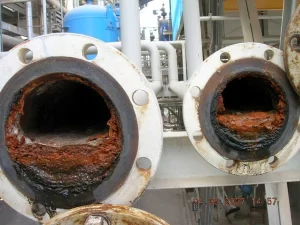
How to Control Algae and Biofouling in Cooling Towers is a critical factor in maintaining efficient industrial cooling systems. Cooling towers operate in environments that naturally promote microbial growth due to heat, moisture, and nutrient availability. If left untreated, algae and biofouling can significantly reduce heat transfer efficiency, increase energy consumption, and cause blockages in pipelines and fill media.
Understanding how to control algae and biofouling in cooling towers helps industries avoid costly maintenance, improve operational efficiency, and extend equipment life. A well-managed cooling system ensures smooth operation and reduces the risk of unexpected shutdowns.
What Causes Algae and Biofouling in Cooling Towers?
Before implementing solutions for how to control algae and biofouling in cooling towers, it is important to identify the root causes:
- Sunlight Exposure: Direct sunlight accelerates algae growth
- Warm Temperature: Ideal conditions for bacteria and microorganisms
- Nutrient Availability: Organic matter supports microbial activity
- Stagnant Water Zones: Poor circulation encourages biofilm formation
- Lack of Treatment: Absence of chemicals increases contamination
How to Control Algae and Biofouling in Cooling Towers Using Chemical Treatment
Chemical treatment is the most effective and widely used method for how to control algae and biofouling in cooling towers.
Common Chemicals:
- Oxidizing Biocides: Chlorine and bromine for rapid microbial control
- Non-Oxidizing Biocides: Glutaraldehyde and isothiazolin for long-lasting protection
- Algaecides: Specifically designed to eliminate algae
Proper dosing and rotation of chemicals prevent resistance and ensure continuous protection. A well-designed chemical program is essential for long-term control.
How to Control Algae and Biofouling in Cooling Towers Through Regular Cleaning
Physical cleaning is equally important in managing how to control algae and biofouling in cooling towers.
Best Practices:
- Routine cleaning of basins and tower fills
- Removal of sludge and accumulated debris
- Periodic shutdown cleaning for deep maintenance
Cleaning removes existing deposits and enhances the effectiveness of chemical treatment.
How to Control Algae and Biofouling in Cooling Towers by Reducing Sunlight Exposure
Since algae thrive in sunlight, limiting exposure is a simple yet effective solution for how to control algae and biofouling in cooling towers.
Methods:
- Install protective covers or shades
- Use UV-resistant materials
- Optimize tower placement to minimize direct sunlight
How to Control Algae and Biofouling in Cooling Towers Using Water Quality Management
Maintaining water chemistry is essential when addressing how to control algae and biofouling in cooling towers.
Key Parameters:
- Maintain proper pH balance
- Control Total Dissolved Solids (TDS)
- Ensure proper blowdown cycles
Balanced water conditions reduce microbial growth and improve overall system efficiency.
How to Control Algae and Biofouling in Cooling Towers Through Monitoring and Testing
Regular monitoring ensures that control measures are working effectively.
Important Checks:
- Microbial count analysis
- pH and conductivity levels
- Visual inspection for slime or algae
Consistent testing plays a major role in managing how to control algae and biofouling in cooling towers and preventing future problems.
How to Control Algae and Biofouling in Cooling Towers with Proper System Design
System design also impacts microbial growth:
- Avoid stagnant areas or dead zones
- Maintain proper water flow velocity
- Use materials resistant to biofilm formation
Good design supports long-term solutions.
Common Mistakes to Avoid
While implementing how to control algae and biofouling in cooling towers, avoid these common errors:
- Inconsistent chemical dosing
- Overuse of biocides
- Ignoring routine maintenance
- Lack of monitoring and testing
Benefits of Effective Control
Proper control of algae and biofouling offers multiple benefits:
- Improved heat transfer efficiency
- Reduced energy consumption
- Lower maintenance costs
- Extended equipment life
- Reliable system performance
Conclusion
Essential for maintaining efficient and long-lasting cooling systems. By combining chemical treatment, regular cleaning, proper water management, and continuous monitoring, industries can effectively prevent microbial growth and protect their equipment.
A proactive approach ensures better performance, reduced downtime, and significant cost savings over time.