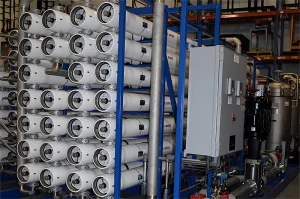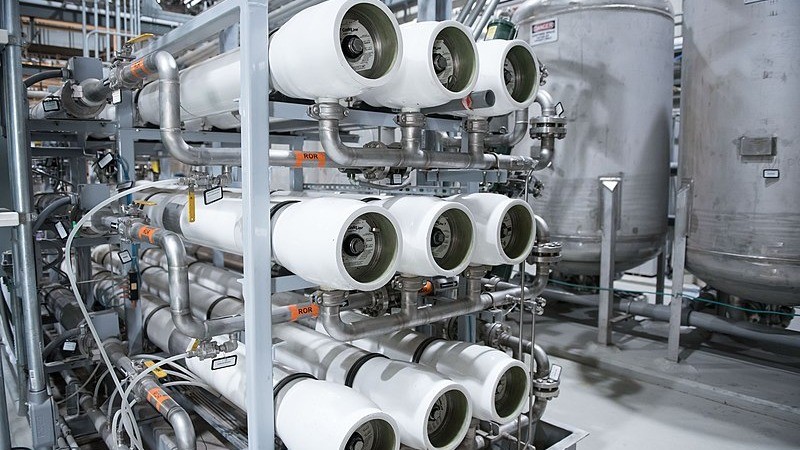
How Feed Water Quality Affects RO Performance is one of the most important factors in the operation of a Reverse Osmosis (RO) system. Feed water quality directly impacts membrane efficiency, system productivity, operational cost, and membrane life. If the feed water contains high levels of contaminants such as suspended solids, hardness, silica, or organic matter, it can cause fouling, scaling, and damage to RO membranes.
Understanding how feed water characteristics influence RO performance helps plant operators maintain optimal efficiency, reduce maintenance costs, and extend the lifespan of the RO system.
Importance of Feed Water Quality in RO Systems
How feed water quality affects RO performance is Feed water is the raw water entering the RO system before filtration and purification. The quality of this water determines how efficiently the RO membranes can remove dissolved salts, impurities, and contaminants.
Poor feed water quality can lead to several operational issues including:
-
Membrane fouling
-
Scaling on membrane surfaces
-
Reduced permeate flow
-
Increased operating pressure
-
Frequent chemical cleaning
Proper monitoring and treatment of feed water ensures smooth RO system operation and prevents unnecessary downtime.
Key Feed Water Parameters Affecting RO Performance
How feed water quality affects RO performance is Several feed water parameters influence the performance of an RO system. Monitoring these parameters is essential for maintaining optimal efficiency.
Total Dissolved Solids (TDS)
How feed water quality affects RO performance is TDS represents the total concentration of dissolved salts and minerals in the water. High TDS levels increase osmotic pressure, which requires the RO system to operate at higher pressure.
Effects of high TDS include:
-
Increased energy consumption
-
Lower permeate production
-
Higher operating costs
Pre-treatment processes help control TDS levels before the water enters the RO membrane.
Suspended Solids and Turbidity
How feed water quality affects RO performance is Suspended particles such as sand, silt, and clay can clog membrane surfaces and cause fouling. Turbidity indicates the presence of these suspended particles in water.
If turbidity is high:
-
Membrane fouling increases
-
Flow rate decreases
-
Cleaning frequency increases
Installing proper pre-filtration systems like multimedia filters and cartridge filters can effectively remove suspended solids.
Water Hardness
How feed water quality affects RO performance is Hardness is mainly caused by calcium and magnesium ions. These minerals can form scale on RO membranes, especially when their concentration exceeds solubility limits.
Scaling results in:
-
Reduced membrane efficiency
-
Increased pressure drop
-
Lower permeate quality
Antiscalant chemicals are commonly used to prevent hardness scaling in industrial RO systems.
Silica Content
How feed water quality affects RO performance is Silica is a common contaminant in many industrial water sources. High silica concentration can form deposits on membrane surfaces that are difficult to remove.
Silica fouling can cause:
-
Permanent membrane damage
-
Reduced permeate flow
-
Higher maintenance costs
Proper feed water treatment and chemical dosing help control silica levels.
Organic Matter
How feed water quality affects RO performance is Organic contaminants such as algae, bacteria, and humic substances can accumulate on membrane surfaces. This leads to biofouling, which is one of the most challenging problems in RO systems.
Biofouling causes:
-
Reduced membrane performance
-
Increased pressure drop
-
Frequent cleaning requirements
Biocide treatment and proper disinfection help control organic contamination.
Effects of Poor Feed Water Quality on RO Systems
How feed water quality affects RO performance is When feed water quality is not properly managed, several operational problems may arise.
Membrane Fouling
How feed water quality affects RO performance is Membrane fouling occurs when contaminants accumulate on the membrane surface. This layer blocks water flow and reduces filtration efficiency.
Common types of fouling include:
-
Particulate fouling
-
Organic fouling
-
Biological fouling
Fouling significantly reduces RO system productivity.
Membrane Scaling
How feed water quality affects RO performance is Scaling occurs when dissolved minerals crystallize and deposit on the membrane surface. Calcium carbonate, calcium sulfate, and silica are common scaling compounds.
Scaling leads to:
-
Reduced permeate flow
-
Higher energy consumption
-
Membrane damage
Using antiscalant chemicals is one of the most effective ways to prevent scaling.
Increased Operating Pressure
How feed water quality affects RO performance is When membranes become fouled or scaled, the RO system must operate at higher pressure to maintain production. This increases energy consumption and operational costs.
Higher pressure can also stress the membranes and shorten their lifespan.
Frequent Membrane Cleaning
How feed water quality affects RO performance is Poor feed water quality increases the need for chemical cleaning. Frequent cleaning not only increases operating costs but also gradually reduces membrane life.
Proper feed water treatment helps minimize cleaning frequency.
Role of Pre-Treatment in Improving Feed Water Quality
Pre-treatment plays a crucial role in protecting RO membranes and maintaining system performance. It removes contaminants before they reach the membranes.
Common pre-treatment processes include:
-
Multimedia filtration
-
Activated carbon filtration
-
Cartridge filtration
-
Water softening
-
Antiscalant dosing
-
Chemical dosing
These treatment methods ensure the feed water meets the required quality standards for efficient RO operation.
Monitoring Feed Water Quality
Regular monitoring of feed water parameters is essential for maintaining RO system efficiency. Important parameters to monitor include:
-
pH level
-
TDS concentration
-
Turbidity
-
Hardness
-
Silica content
-
SDI (Silt Density Index)
Continuous monitoring helps detect problems early and allows operators to take corrective actions before serious damage occurs.
Best Practices for Maintaining RO Performance
To ensure optimal RO system performance, the following best practices should be followed:
-
Regularly test feed water quality
-
Install proper pre-treatment systems
-
Use high-quality antiscalant chemicals
-
Monitor system pressure and flow rates
-
Perform scheduled membrane cleaning
-
Maintain proper chemical dosing
Following these practices helps extend membrane life and maintain consistent water quality.
Conclusion
How Feed Water Quality Affects RO Performance is a critical consideration for any industrial or commercial RO plant. Poor feed water quality can lead to fouling, scaling, reduced efficiency, and increased operating costs. By properly monitoring feed water parameters and implementing effective pre-treatment processes, operators can protect RO membranes and maintain optimal system performance.
Ensuring good feed water quality not only improves permeate production but also extends membrane lifespan and reduces maintenance costs. With proper treatment and monitoring, RO systems can operate efficiently and reliably for many years.