Introduction
How to Control Scale Formation in Cooling Tower Water is a critical concern for industries that rely on efficient heat exchange systems. Cooling towers play a vital role in maintaining operational efficiency, but scale formation can significantly reduce performance, increase energy consumption, and lead to costly maintenance.
Scale buildup occurs when dissolved minerals such as calcium and magnesium precipitate and deposit on heat transfer surfaces. If not controlled properly, it can lead to equipment damage, reduced heat transfer efficiency, and increased downtime.
In this blog, we will explore How to Control Scale Formation in Cooling Tower Water, its causes, and the most effective prevention methods.
What is Scale Formation in Cooling Tower Water?
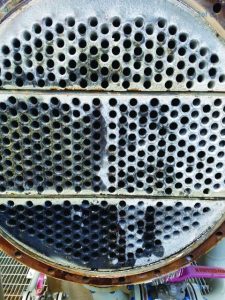
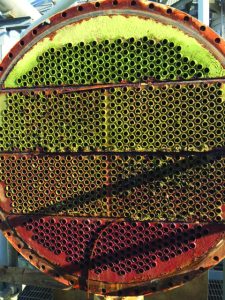
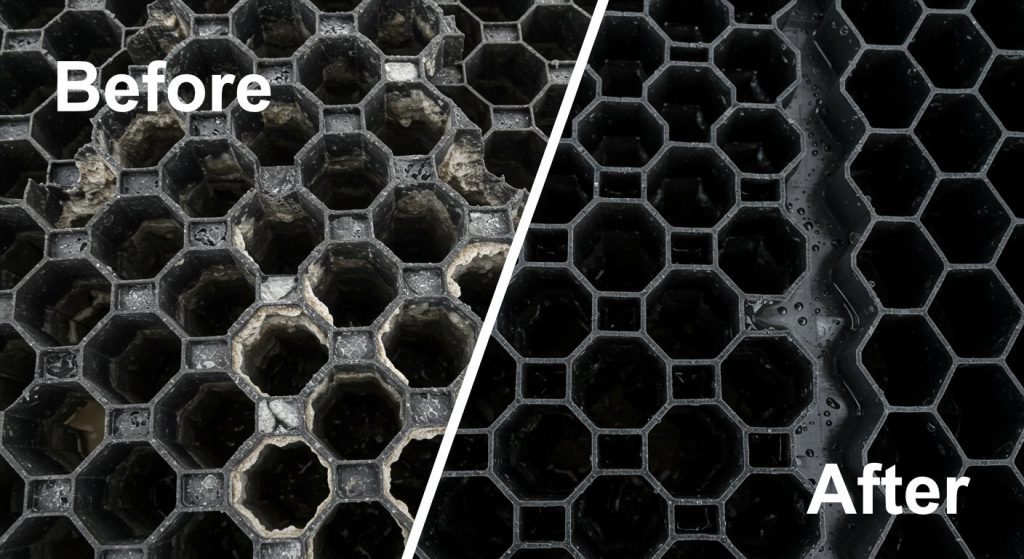
Scale formation refers to the accumulation of mineral deposits on surfaces within the cooling tower system. These deposits are typically hard, crystalline layers that form when water becomes supersaturated with minerals.
Understanding How to Control Scale Formation in Cooling Tower Water begins with identifying the common types of scale:
- Calcium carbonate scale
- Calcium sulfate scale
- Silica scale
- Magnesium hydroxide scale
These deposits act as insulators, reducing heat transfer efficiency and increasing energy costs.
Causes of Scale Formation
To understand How to Control Scale Formation in Cooling Tower Water, it is essential to know the root causes:
1. High Mineral Content
Water with high levels of calcium, magnesium, and silica is more prone to scaling.
2. Evaporation Process
As water evaporates in the cooling tower, dissolved solids become concentrated, increasing the risk of scale formation.
3. High pH Levels
Alkaline conditions promote precipitation of calcium carbonate.
4. Temperature Changes
Higher temperatures accelerate chemical reactions, leading to faster scale formation.
5. Poor Water Treatment
Lack of proper chemical dosing and monitoring leads to uncontrolled scaling.
How to Control Scale Formation in Cooling Tower Water Using Chemical Treatment
One of the most effective answers to How to Control Scale Formation in Cooling Tower Water is proper chemical treatment.
Antiscalants
Antiscalants are specially formulated chemicals that prevent mineral precipitation and deposition. They work by:
- Interfering with crystal growth
- Dispersing suspended particles
- Preventing scale adhesion
pH Control Chemicals
Maintaining optimal pH levels helps reduce scaling tendencies.
Dispersants
Dispersants keep particles suspended in water, preventing them from settling on surfaces.
Proper selection and dosing of chemicals are essential when implementing How to Control Scale Formation in Cooling Tower Water.
How to Control Scale Formation in Cooling Tower Water Through Proper Dosing
Correct dosing is critical in achieving effective scale control.
Key Practices:
- Use automated dosing systems
- Monitor chemical levels regularly
- Adjust dosage based on water quality
Overdosing can waste chemicals and increase costs, while underdosing can lead to scale formation. A balanced approach is necessary when applying How to Control Scale Formation in Cooling Tower Water.
Importance of Water Quality Monitoring
Continuous monitoring plays a major role in How to Control Scale Formation in Cooling Tower Water.
Parameters to Monitor:
- pH levels
- Conductivity
- Total dissolved solids (TDS)
- Hardness levels
Regular testing helps detect early signs of scaling and allows timely corrective action.
Blowdown Management
Blowdown is the process of removing a portion of concentrated water from the system and replacing it with fresh water.
Benefits:
- Reduces mineral concentration
- Maintains water balance
- Prevents scale buildup
Efficient blowdown practices are essential for How to Control Scale Formation in Cooling Tower Water.
Use of Advanced Water Treatment Technologies
Modern solutions provide better control over scaling issues.
Reverse Osmosis (RO)
Removes dissolved salts and minerals before water enters the cooling system.
Side Stream Filtration
Removes suspended particles continuously.
Magnetic and Electronic Descalers
Help reduce scale formation by altering mineral behavior.
These technologies enhance overall effectiveness when implementing How to Control Scale Formation in Cooling Tower Water.
Preventive Maintenance Practices
Routine maintenance is key to long-term success.
Recommended Actions:
- Inspect heat exchangers regularly
- Clean cooling tower components
- Check chemical dosing systems
- Maintain proper water circulation
Preventive measures support consistent results in How to Control Scale Formation in Cooling Tower Water.
Benefits of Controlling Scale Formation
Implementing proper strategies for How to Control Scale Formation in Cooling Tower Water offers several advantages:
- Improved heat transfer efficiency
- Reduced energy consumption
- Lower maintenance costs
- Extended equipment lifespan
- Increased system reliability
Conclusion
How to Control Scale Formation in Cooling Tower Water is not just about using chemicals—it requires a comprehensive approach that includes water treatment, monitoring, and maintenance. By understanding the causes and implementing the right strategies, industries can significantly improve cooling tower performance and reduce operational costs.
Effective scale control ensures long-term efficiency, reliability, and sustainability of your cooling system.