Introduction
Why frequent CIP Is a warning sign, not a solution. In modern water treatment plants—especially reverse osmosis (RO), nanofiltration (NF), and ultrafiltration (UF) systems—Cleaning-in-Place (CIP) is considered a routine maintenance activity. Operators often take comfort in the fact that when performance drops, a CIP can restore flux and normalize pressure drop. Over time, however, many plants fall into a dangerous mindset: if performance declines, just clean again.
This approach is misleading and costly.
Why frequent CIP Is a warning sign, not a solution. Frequent CIP is not a solution—it is a warning sign. It signals deeper design, operational, or chemical issues that, if left unresolved, will shorten membrane life, increase operating costs, and reduce overall system reliability.
Frequent CIP (Clean-in-Place) in reverse osmosis (RO) and water treatment systems raises concerns as it signifies underlying issues rather than offering a viable solution. The necessity for regular cleaning often stems from membrane fouling, inadequate pretreatment processes, improper chemical dosing, or inappropriate antiscalant selection. These factors contribute to increased operating costs, reduced membrane lifespan, elevated chemical usage, and extended system downtime. Understanding why frequent CIP is a warning sign, not a solution, is crucial for plant operators and engineers to implement effective preventive measures and ensure optimal system performance.
This article explains why frequent CIP should raise concern, what it indicates about system health, and how addressing root causes delivers far greater long-term value than repeated cleanings.Why frequent CIP Is a warning sign, not a solution.
What Is CIP and Why Is It Used?
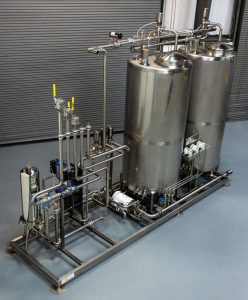
Cleaning-in-Place (CIP) is a controlled chemical cleaning process used to remove fouling from membranes without dismantling the system. Depending on the fouling type, CIP may involve:
- Low-pH cleaning (to remove inorganic scales such as calcium carbonate, calcium sulfate, iron)
- High-pH cleaning (to remove organic fouling, biofouling, oils, and biological slime)
- Chelants, surfactants, and biocides to enhance cleaning effectiveness
CIP is designed to restore membrane performance, including:
- Normalized permeate flow
- Differential pressure (ΔP)
- Salt rejection
Under healthy operating conditions, most RO systems require CIP only once or twice per year. When cleaning frequency increases beyond this, it indicates abnormal fouling behavior. Why frequent CIP Is a warning sign, not a solution.
Why Frequent CIP Is a Red Flag
CIP Treats Symptoms, Not Root Causes
CIP removes accumulated foulants from the membrane surface, but it does not prevent fouling from recurring. If the same problem returns within weeks or months, it means:
- The foulant source is still present
- Pretreatment is insufficient
- Operating conditions are promoting fouling
Why frequent CIP Is a warning sign, not a solution. In such cases, repeated CIP becomes a temporary patch rather than a corrective strategy.
Accelerated Membrane Aging
Each CIP exposes membranes to:
- Extreme pH conditions
- Elevated temperatures
- Aggressive chemicals
- Mechanical stress from circulation
While membranes are designed to tolerate occasional cleaning, frequent CIP accelerates membrane degradation, leading to:
- Reduced salt rejection
- Loss of mechanical strength
- Increased risk of irreversible fouling
Why frequent CIP Is a warning sign, not a solution. In practice, membranes subjected to excessive CIP often fail 1–3 years earlier than their expected lifespan.
Rising Operating Costs
Frequent CIP significantly increases operating expenditure (OPEX):
- Cleaning chemicals (acids, alkalis, surfactants, chelants)
- Labor and supervision
- Downtime and lost production
- Neutralization and disposal of spent CIP solutions
Why frequent CIP Is a warning sign, not a solution. When CIP becomes routine rather than occasional, costs silently escalate, often exceeding the cost of improving pretreatment or optimizing antiscalant programs.
Evidence of Pretreatment Failure
One of the most common reasons for frequent CIP is ineffective pretreatment. This may include:
- Poor multimedia filtration
- Inadequate turbidity control
- SDI values consistently above design limits
- Inefficient iron or manganese removal
- Incomplete biological control
Why frequent CIP Is a warning sign, not a solution. When pretreatment fails, membranes become the “last filter,” fouling rapidly and demanding frequent cleaning.
Chemical Program Mismatch
In RO systems, antiscalants and biocides are critical to fouling control. Frequent CIP often points to:
- Incorrect antiscalant selection
- Underdosing or overdosing
- Poor compatibility with feed water chemistry
- Ineffective biofouling control strategy
No amount of CIP can compensate for a chemical program that is not aligned with actual water conditions. Why frequent CIP Is a warning sign, not a solution.
Common Fouling Types That Drive Frequent CIP
Why frequent CIP Is a warning sign, not a solution. Understanding the nature of fouling is essential to stopping the CIP cycle.
Inorganic Scaling
Common scalants include:
- Calcium carbonate (CaCO₃)
- Calcium sulfate (CaSO₄)
- Barium sulfate (BaSO₄)
- Strontium sulfate (SrSO₄)
- Silica
Frequent acidic CIP often indicates poor scale prediction or control, usually due to:
- Incorrect recovery design
- Inadequate antiscalant
- Feed water chemistry variation
Biofouling
Biofouling is one of the most damaging and difficult fouling types. Signs include:
- Rapid pressure drop increase
- Slimy deposits on membranes
- Quick performance decline after CIP
Why frequent CIP Is a warning sign, not a solution. If CIP frequency is high and performance declines quickly after cleaning, biofouling is often the root cause, not scaling.
Organic Fouling
Organics from surface water, industrial effluents, or natural organic matter can cause:
- Hydrophobic fouling layers
- Reduced permeability
- Increased cleaning frequency
Why frequent CIP Is a warning sign, not a solution. This often points to insufficient coagulation, poor carbon filtration, or inadequate oxidation control.
Colloidal and Particulate Fouling
High SDI, turbidity spikes, or fine colloids can rapidly foul membranes. Frequent CIP in such cases suggests:
- Improper media filter design
- Poor backwashing
- Cartridge filter bypass or rupture
Why “More CIP” Is a Dangerous Mindset
Many operators accept frequent CIP as normal because:
- The system temporarily recovers
- Cleaning is familiar and controllable
- Root-cause analysis seems complex
However, this mindset leads to:
- Chronic fouling
- Short membrane life
- Higher chemical consumption
- Increased plant instability
Why frequent CIP Is a warning sign, not a solution. A healthy RO plant is one that rarely needs CIP.
What Frequent CIP Is Really Telling You
Frequent CIP is a diagnostic signal that something upstream or operational is wrong. It may be telling you:
- Your pretreatment is underdesigned
- Your recovery rate is too aggressive
- Your antiscalant is mismatched
- Your biological control is ineffective
- Your feed water quality is changing
Ignoring this signal is equivalent to resetting an alarm without fixing the fire. Why frequent CIP Is a warning sign, not a solution.
How to Reduce CIP Frequency the Right Way
Improve Pretreatment Performance
- Maintain turbidity consistently below design limits
- Control SDI through proper filtration and coagulation
- Ensure iron and manganese are fully removed
- Prevent media filter channeling and breakthrough
Optimize Antiscalant Selection and Dosing
- Base antiscalant choice on actual water chemistry, not generic products
- Validate dosing using projection software and field data
- Ensure compatibility with membrane type and operating pH
A well-selected antiscalant can extend CIP intervals by months or years.
Control Biofouling Proactively
- Use appropriate oxidant or non-oxidizing biocide programs
- Avoid intermittent dosing that promotes resistant biofilms
- Remove biodegradable organics upstream where possible
Biofouling prevention is far more effective than repeated removal.
Operate Within Design Limits
- Avoid excessive recovery rates
- Monitor normalized performance trends
- Respond early to pressure drop or flux decline
Early intervention often prevents the need for CIP entirely.
Use CIP as a Diagnostic Tool, Not Routine Practice
Analyze spent CIP solutions to identify fouling types. This data-driven approach allows you to:
- Adjust pretreatment
- Modify chemical programs
- Prevent recurrence
Long-Term Benefits of Reducing CIP Frequency
Plants that successfully reduce CIP frequency experience:
- Longer membrane life
- Lower chemical consumption
- Reduced downtime
- More stable water quality
- Predictable operating costs
In many cases, reducing CIP frequency by 50% delivers higher ROI than installing new membranes.
Conclusion
Cleaning-in-Place is an essential maintenance tool—but it is not a cure for poor system health. Frequent CIP is a warning sign, indicating unresolved fouling drivers, design limitations, or chemical mismatches.
Instead of asking “How often should we clean?”, operators should ask:
“Why do we need to clean so often?”
Addressing that question leads to more reliable operation, lower costs, and longer membrane life. In the long run, the best CIP is the one you rarely need to perform.