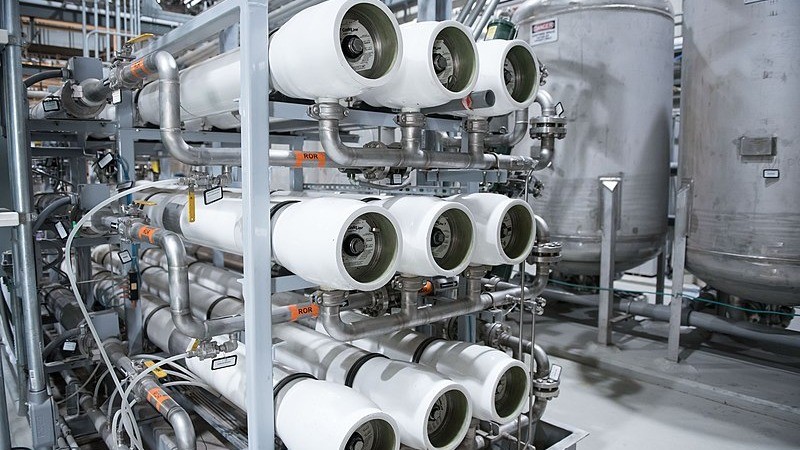
 How Feed Water Quality Affects RO Performance is one of the most important factors in the operation of a Reverse Osmosis (RO) system. Feed water quality directly impacts membrane efficiency, system productivity, operational cost, and membrane life. If the feed water...
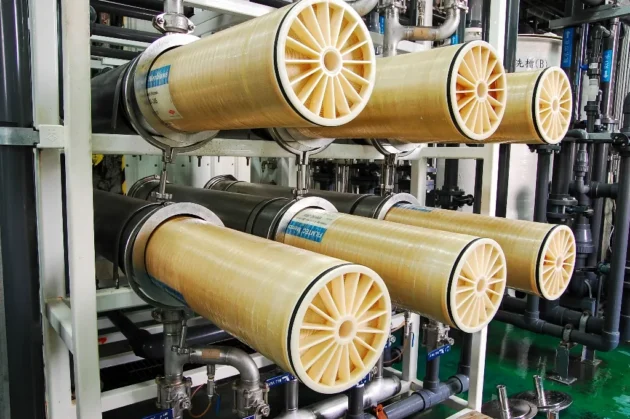 Difference Between Scaling and Fouling in RO Systems Reverse Osmosis (RO) systems are widely used in industrial, commercial, and municipal water treatment applications. While RO technology is highly effective, its performance is often limited by two common problems:...
 Why ro membranes fail before 3 years. Reverse Osmosis (RO) membranes are the most critical and expensive component of any RO water treatment system. Whether the system is used in industrial manufacturing, pharmaceuticals, food & beverage, power plants, textiles,...
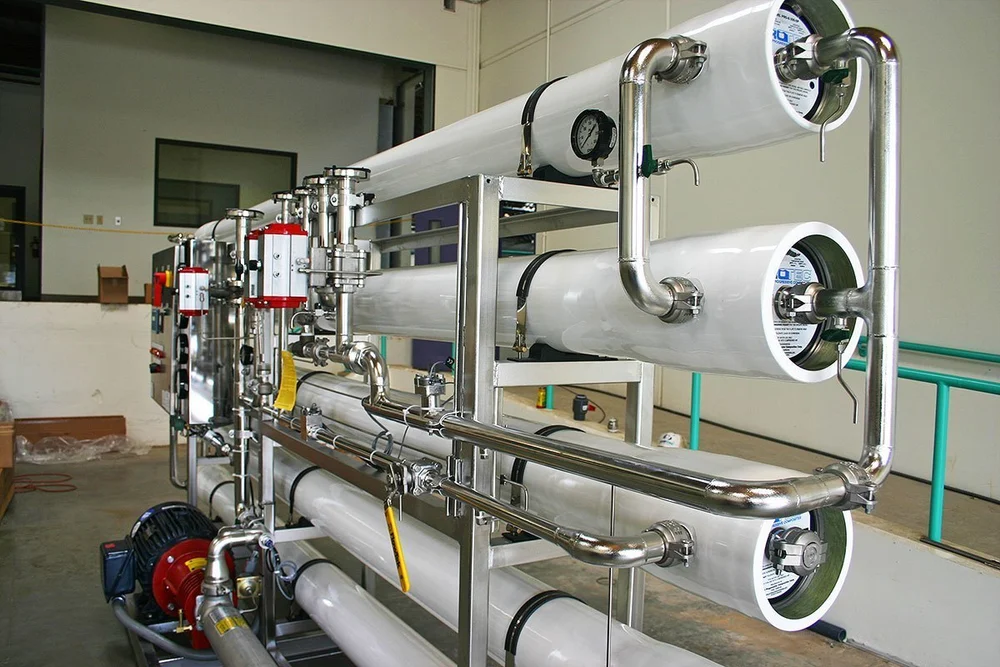 Reverse osmosis (RO) systems are widely used in industrial, municipal, and commercial water treatment applications to produce high-quality permeate water. However, one of the most critical challenges affecting RO membrane performance is scale formation. Scaling occurs...
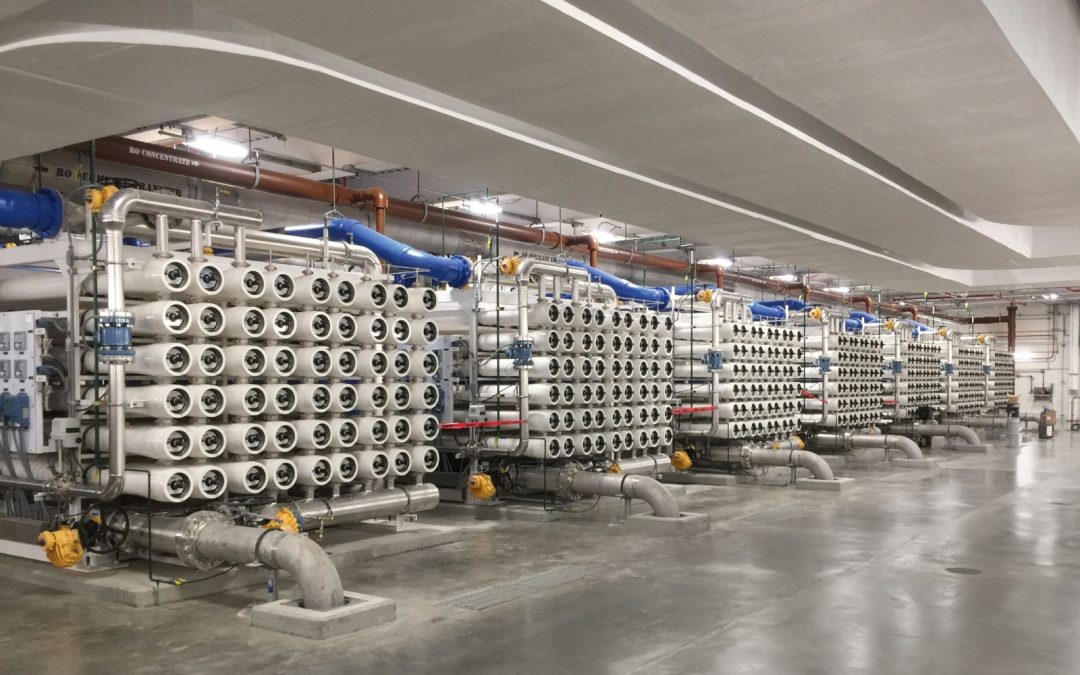 Introduction Proven 9 techniques to stop barium & strontium scale. Barium and Strontium scale is one of the most stubborn and persistent forms of inorganic fouling encountered in Reverse Osmosis (RO) systems. While calcium and magnesium scaling are common in most...
